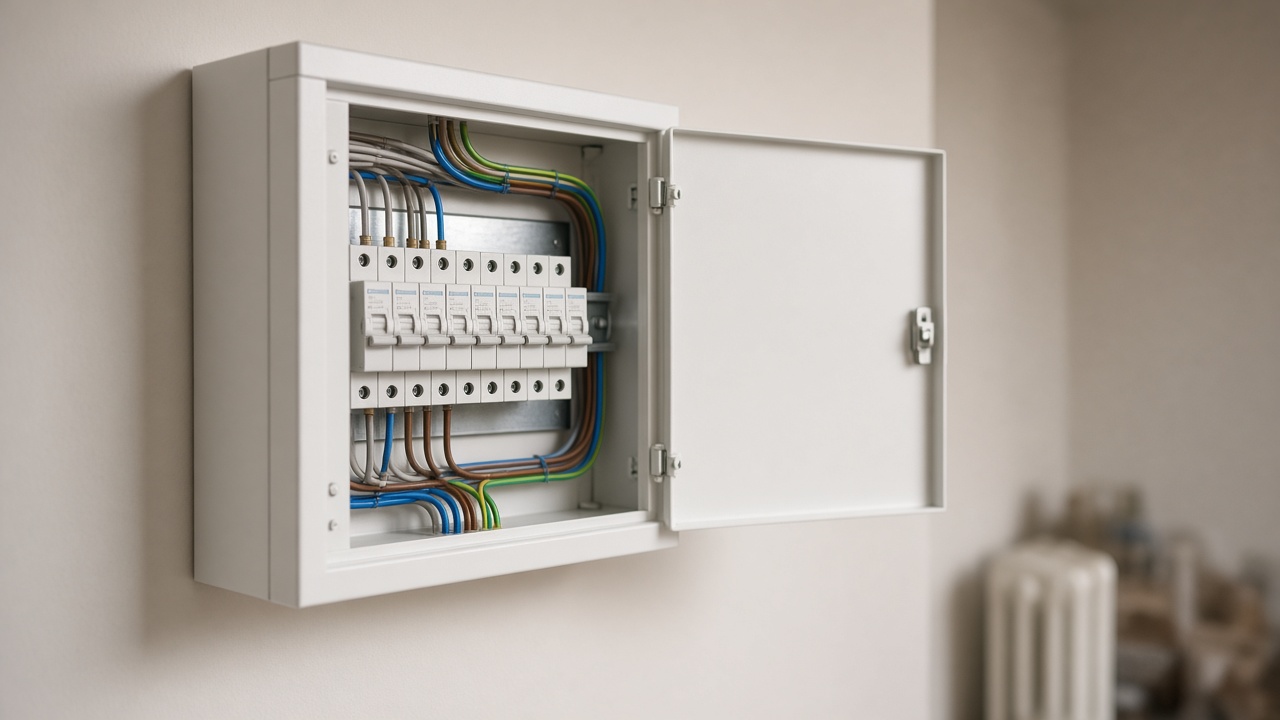
When Should You Call an Electrician?
If you notice any sign of electrical trouble at home, don’t wait. In the UK, electrical faults can lead to fire or shock. Call a qualified electrician immediately if:
- Lights flicker or dim unexpectedly
- Circuit breakers trip repeatedly
- You smell burning plastic or hot wire
- Outlets feel warm or spark when used
- Wiring looks damaged or exposed
These aren’t minor glitches — they’re warnings.
Immediate Red Flags: Don’t Delay
Tripping switches (MCBs) are common but not always harmless. If a circuit trips once, it might be overloaded. But if it happens again after reducing load — especially with no obvious cause — it’s a sign of deeper wiring fault. Repeated tripping can damage appliances or start a fire.
Burning smell near sockets, switches, or the fuse box is serious. Even one whiff means stop using that circuit. Turn off power at the main switch and call an electrician. This could mean overheating insulation or loose connections — both dangerous.
Flickering lights across multiple rooms may point to a failing connection in the supply line or a loose neutral wire. This isn’t just annoying — it can damage electronics and increase fire risk.
DIY Limits: Know What You Can’t Fix
Some tasks seem simple but carry real risk. Never attempt:
- Opening the consumer unit (fuse box) unless trained
- Rewiring a socket or fitting a new light without certification
- Connecting high-load appliances like ovens or heaters to old circuits
Even replacing a light bulb can be risky if the fixture is damaged or water has been near it. UK homes often have older wiring (some pre-1960s), which may not meet current safety standards. Trying to fix this yourself could void insurance or cause injury.
If you’ve done a DIY job and now have problems — such as a blown fuse or a non-working outlet — stop and get a professional. Many insurance claims are rejected because of unqualified work.
Common Mistakes That Put Homes at Risk
- Using extension leads for permanent use: Plugging a kettle, heater, or washing machine into a long cable is unsafe. These are temporary fixes only.
- Overloading sockets: Using multiple high-wattage devices on one plug (e.g., a kettle, toaster, and hairdryer) causes overheating. The UK standard is 13A per socket.
- Ignoring warning signs: A buzzing sound from a wall socket? A warm plug? These are early symptoms. Waiting until something fails increases danger.
How to Find Help Fast in the UK
Use ASKU via WhatsApp to connect with vetted local electricians. Share your issue — like a tripping breaker or sparking socket — and get matched with someone nearby who can respond quickly. No contracts, no hidden fees. Just reliable help when you need it.
Always check that any electrician you hire is registered with NICEIC, ECA, or another recognised body. Ask to see their ID and certificate before work begins.
Final Check: Is It Urgent?
If you’re unsure, err on the side of caution. Electrical faults grow quietly. A small problem today can become a major hazard tomorrow. When in doubt, call a qualified electrician.
Your safety matters more than saving a few pounds. A proper inspection costs less than a fire repair — and far less than losing a home.