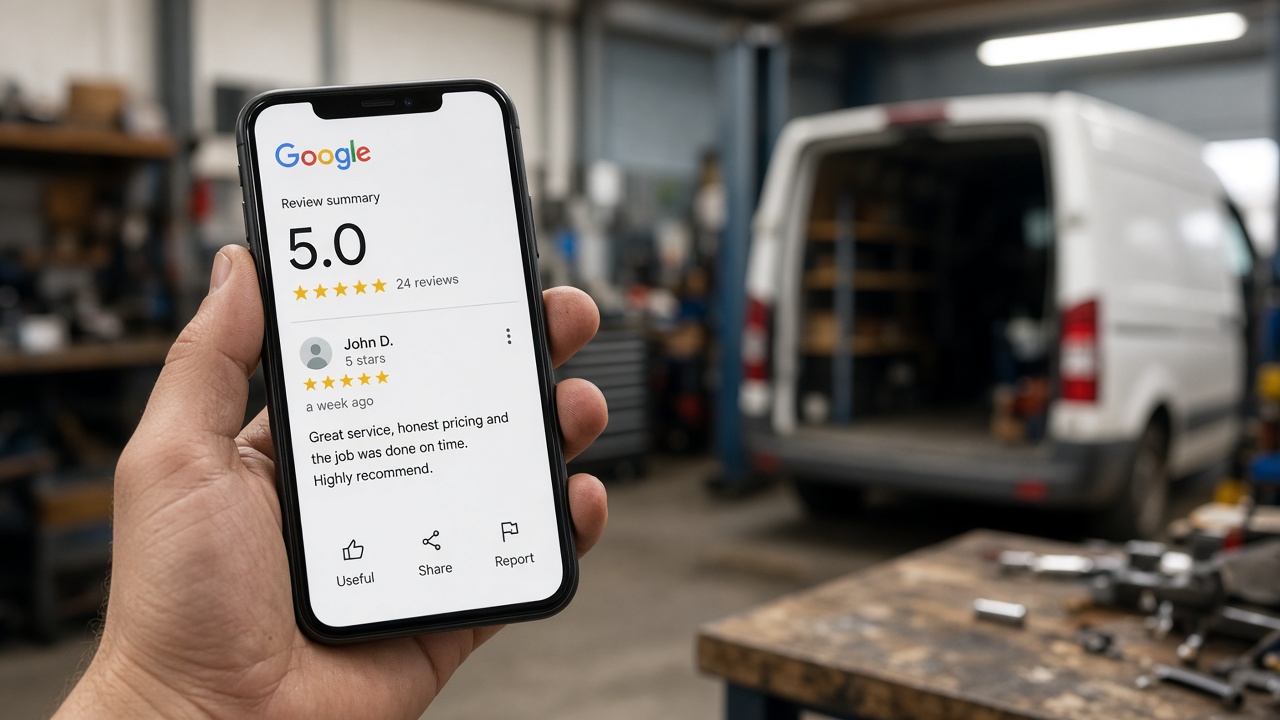
Stop Asking, Start Enabling
You don’t need to ask for reviews. You need to make it effortless. The moment a job finishes, the customer is most likely to leave feedback. If you wait, the chance fades.
Use a direct, trackable review link. Don’t send a generic Google search. Instead, generate a unique link via Google Business Profile. Share it via SMS or WhatsApp—no need to type anything. A single tap opens the review page.
Example: After fitting a new boiler in Bristol, send: "Thanks for the job. Could you spare 2 minutes to share your experience? Here’s the link: [shortened review link]"
Timing Is Everything
Send the request within 24 hours of job completion. Not the next day. Not a week later. The work is fresh. The satisfaction is real.
Avoid sending it during the job. Don’t interrupt. Don’t ask while the work is ongoing. Wait until the final handover—tools packed, invoice signed, job complete.
If you’re a plumber, electrician, or builder, schedule this step into your daily close. Add it to your checklist: 'Send review link – 24 hrs post-job'.
Use the Right Link, Not the Wrong One
Never copy-paste a Google search result. That’s not a review link. It’s a search. People won’t click it.
Go to your Google Business Profile. Click 'Manage your profile'. Under 'Customer reviews', select 'Get a review link'. Generate a unique, short link. Use that.
If you’re using a tool like ASKU, it can deliver these links automatically when a job is marked complete. No manual work. No missed chances.
Don’t Push, Don’t Pressure
Avoid phrases like "Please leave a 5-star review". That sounds transactional. It makes people wary.
Instead: "We’d really appreciate your honest thoughts. It helps others find reliable local tradespeople."
Keep it neutral. Let the customer decide. If they’re happy, they’ll act. If not, they’ll say so. That’s useful too—feedback is feedback.
What Not to Do
- Don’t offer discounts or freebies for reviews. Google penalises this.
- Don’t send review requests to everyone, even if they didn’t pay. Only after a paid job.
- Don’t use fake links or redirect to a third-party site. Google sees this as manipulation.
- Don’t ask for reviews in person. It feels forced. People are more likely to act when they’re not in the moment.
Real UK Examples
- A window installer in Leeds sends a review link via WhatsApp 18 hours after fitting double glazing. 7 out of 10 leave a review.
- A roofing company in Cardiff includes the review link on their job completion email. They get 4-5 reviews per month, all from recent customers.
- A heating engineer in Sheffield uses a printed QR code on the job site. Customer scans it after signing the invoice. No friction.
Final Tip: Track What Works
Use a simple spreadsheet: Date, Job Type, Customer, Link Sent, Review Received. After 3 months, you’ll see patterns. Which jobs get more reviews? Which timing works best?
You don’t need a system. You need a habit. Make it part of your routine.
If you’re managing multiple jobs, tools like ASKU can help you send review links automatically and track responses. It’s not about automation—it’s about consistency.
Genuine reviews come from real work. You don’t need to beg. You just need to make it easy.